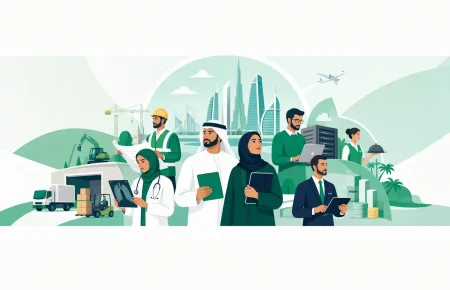

Business etiquette in the Gulf region centres on respect, patience, and relationship-building, which shape how meetings, greetings, and communication are conducted. Understanding regional preferences and adapting your approach is key to building strong professional relationships in Saudi Arabia, the UAE, Qatar, Kuwait, Oman, and Bahrain.
First Impressions: Greetings and Introductions
Professional greetings in the Gulf are formal, courteous, and often influenced by cultural and religious norms. A standard handshake is customary among men, but always wait for your Gulf counterpart to initiate, as some may prefer minimal physical contact. When greeting women, especially in Saudi Arabia, avoid offering your hand unless she extends hers first. A simple nod and verbal greeting are always acceptable.
- Common phrases include “Assalamu alaikum” (peace be upon you) and its response “Wa alaikum assalam.” Using these Arabic greetings demonstrates respect, even when business is conducted in English.
- Address the most senior person first and use titles such as “Mr.”, “Mrs.”, “Dr.”, or appropriate honorifics, followed by the family name unless invited to use a first name.
- In group settings, greet everyone individually. In the UAE and Qatar, if you arrive as a group, greet from right to left according to local tradition.
Conducting Business Meetings
Meetings in the Gulf often prioritise relationship-building over immediate results, so be prepared for conversations that start with personal topics. Showing genuine interest in your counterparts’ background helps to build trust.
Scheduling and Punctuality
- While punctuality is valued, meetings may not always begin on time, particularly in Saudi Arabia and Kuwait where a flexible approach is common. However, in the UAE, Oman, and Bahrain, international business practices have influenced stricter timekeeping—so arrive on time, but be patient if meetings start late.
- Friday is a public holiday across the region, and the weekend varies: Friday–Saturday in Saudi Arabia, Oman, and Kuwait; Saturday–Sunday in the UAE. Avoid scheduling during prayer times or Ramadan without explicit agreement.
Meeting Environment and Formalities
- Formal business attire is expected: men should wear a suit and tie, women a business suit or conservative dress. In some environments—especially government or traditional sectors—women may prefer clothing that covers arms and legs, and may consider a headscarf if visiting Saudi Arabia.
- Business cards are exchanged using the right hand; study the card briefly before putting it away to show respect. Cards with one side translated into Arabic are appreciated, especially in Saudi Arabia and Kuwait.
Meeting Dynamics and Decision-Making
- Meetings can be indirect, with decisions often made after consultations away from the meeting table. Seniority is important, and junior colleagues rarely contradict leaders in public.
- Expect some social conversation before discussing business. Abruptness or rushing to the agenda is generally seen as inconsiderate. Offer and accept refreshments when provided, as hospitality is an important aspect of Gulf culture.
Communication Styles and Cultural Sensitivities
Gulf business communication is often formal and indirect. Rather than delivering negative feedback directly, professionals tend to use diplomatic language or suggest alternative perspectives. Open disagreement, especially in group settings, should be approached with tact.
- Written communication—especially in the public sector—tends to be formal and carefully worded. If using email, address the recipient properly, maintain polite formality, and avoid slang or overly casual expressions.
- English is widely used in business, though Arabic remains prevalent in government, legal, and traditional sectors. Being able to use a few Arabic words or expressions can create goodwill.
- Nonverbal cues matter: maintaining eye contact is important but should be balanced—avoid staring, but do not avert your gaze, especially when addressing more senior colleagues. Personal space may be closer than in some Western cultures, though always observe individual preferences.
Common Communication Pitfalls
- Do not ask personal questions about female family members.
- Refrain from discussing sensitive subjects such as politics, religion, or local rulers.
- Avoid using your left hand to offer documents or refreshments, as it is traditionally considered impolite.
Country-Specific Examples and Distinctions
While many business etiquette norms are consistent across Gulf countries, some differences can affect daily interactions:
- Saudi Arabia: Business culture is highly formal, with deference to hierarchy and longer relationship-building periods. Segregation by gender is observed in many settings, and official business may proceed more slowly.
- UAE: Dubai and Abu Dhabi are more cosmopolitan, and practices can be more relaxed, especially with international companies. However, formal greetings and respect for local customs remain vital.
- Qatar, Oman, and Bahrain: These countries balance traditional values with openness to expatriate involvement. Personal relationships and introductions from mutual contacts are especially valuable for getting business done.
- Kuwait: Strong hospitality traditions; meetings often begin with tea or coffee and casual conversation. The Kuwaiti business environment places high respect on seniority and family reputation.
Practical Tips for Success
- Research partner etiquette: If you are meeting a Saudi or Emirati company, check if they have any specific protocols for visitors.
- Patience is essential: Business moves at different speeds—pressuring for immediate decisions can harm relationships.
- Show respect for religious and local holidays: Learn key dates such as Ramadan and national holidays, and adjust communication and scheduling accordingly.
- Always clarify next steps at the end of meetings: Summarise agreed actions and follow up with a written recap.
- Learn and use basic Arabic greetings: Even a simple “Shukran” (thank you) or “Marhaban” (hello) demonstrates effort and respect.
Conclusion
Adapting to business etiquette in the Gulf is a strategic investment in your professional success. Whether you are a job seeker, employee, or employer, understanding local approaches to meetings, greetings, and communication will help you build trust and navigate the region’s dynamic business environment. Take time to learn your GCC counterpart’s expectations and use every interaction as an opportunity to demonstrate cultural awareness and professionalism.
Frequently Asked Questions
How do I greet a female colleague in a Saudi Arabian business setting?
In Saudi Arabia, wait for a female colleague to offer her hand first. If she does not, a polite verbal greeting and nod are appropriate.
Are business meetings in the Gulf usually conducted in English or Arabic?
English is widely used in Gulf business settings, especially in international and private-sector environments, but Arabic prevails in government and more traditional sectors.
Is it acceptable to discuss business immediately at the start of a meeting in the Gulf?
It is better to allow time for personal or social conversation before moving to business matters, as this helps build trust and rapport.
Do all Gulf countries follow the same rules for exchanging business cards?
The etiquette is similar—use your right hand and show respect—but adding Arabic on one side of your card is especially valued in Saudi Arabia and Kuwait.
What is the most important thing to avoid during Gulf business communication?
Avoid open disagreement, criticism, or discussing sensitive topics such as religion, politics, or personal family matters in professional settings.
Last updated: November 2026. For laws, fees, salaries and procedures, confirm the latest details with the relevant official authority or your employer.