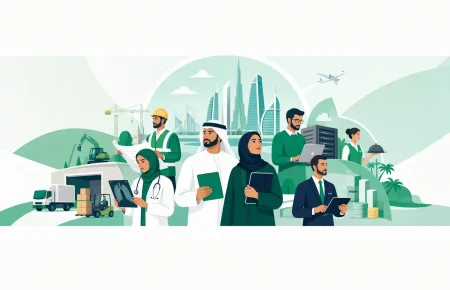

If you are evaluating where to focus your job search or business ambitions in the Gulf, selecting the right free zone or economic city can make a significant difference to your career options and workplace experience. The region’s leading free zones—found in the UAE, Saudi Arabia, Qatar, and beyond—offer distinct opportunities, industry clusters, and legal frameworks that shape how professionals and employers work.
How Free Zones and Economic Cities Work in the Gulf
Free zones and economic cities are designated areas with their own commercial regulations to attract investment, support specific industries, and facilitate trade. While general labor and immigration laws still apply, these areas often permit 100% foreign ownership, simplified business setup, and incentives for companies. For professionals, the work environment and opportunities can be quite different from those in the broader economy—especially regarding industry specialization, employer mix, and international culture.
United Arab Emirates: Pioneers of the Gulf Free Zone Model
The UAE hosts the largest number and variety of free zones in the region, catering to sectors such as technology, finance, logistics, media, health, and industry. Some of the standout options for professionals include:
- Dubai International Financial Centre (DIFC): A global financial hub with international banks, investment firms, consultancies, and legal practices. DIFC operates under its own court system and employment regulations, attracting multinational professionals.
- Dubai Multi Commodities Centre (DMCC): Focused on commodities trading and business services, DMCC is home to thousands of businesses in diverse sectors—from gold to technology startups.
- Dubai Internet City & Dubai Media City: These hubs host technology, digital marketing, and media companies, featuring a dynamic, international workforce and modern office campuses.
- Abu Dhabi Global Market (ADGM): A fast-growing financial free zone in the capital, specializing in banking, fintech, and investment management, with its own digital regulatory environment.
UAE free zones generally sponsor expatriate employees directly, issue renewable work permits, and often offer more flexible work environments compared to traditional mainland employers. Salaries and packages can be competitive but vary by industry and role. English is the main business language.
Saudi Arabia: Economic Cities and Special Zones Transforming the Market
Saudi Arabia has launched a wave of economic cities and special zones to attract global talent and investment while supporting the national Vision 2030 strategy. Key areas include:
- King Abdullah Economic City (KAEC): Located on the Red Sea, KAEC focuses on logistics, light industry, tourism, and lifestyle sectors. It features modern infrastructure, residential communities, and business-friendly regulations.
- King Salman Energy Park (SPARK): A vast industrial zone for energy, manufacturing, and services centered around the oil and gas value chain.
- The Saudi Special Economic Zones: Recently launched zones, such as the Cloud Computing SEZ in King Abdulaziz City for Science and Technology (KACST), aim to nurture growth in technology, renewables, and advanced manufacturing.
Working in these economic cities, you may benefit from purpose-built professional environments, well-defined industry clusters, and sometimes more internationalized policies. Employers in these zones typically offer packages competitive with leading Saudi companies, though compensation levels vary by sector and applicant nationality. Arabic is important but English is widely used in international roles.
Qatar: Tax-Friendly Free Zones and Professional Opportunities
Qatar’s tailored free zones serve logistics, technology, and small business development, complementing the country’s drive to diversify beyond hydrocarbons. Popular zones include:
- Qatar Financial Centre (QFC): Focused on financial services, law, and consulting with English-language business standards and a competitive tax regime. The QFC governs its own employment regulations, next to the state system.
- Qatar Free Zones Authority (QFZA): Manages the Ras Bufontas and Umm Alhoul free zones, attracting firms in aviation, logistics, tech, and serving as hubs for regional headquarters.
Professional jobs in these zones often emphasize international qualifications and experience. Regulatory frameworks enable employment contracts to be structured under either free zone or national labor standards—candidates should confirm these details before accepting an offer. Packages are typically in line with top regional employers, including allowances and benefits, but housing and schooling costs may require careful budgeting.
Oman, Kuwait, and Bahrain: Select Free Zones for Key Sectors
While these countries have fewer or more specialized free zones, they are important for particular industries or employers. For example:
- Bahrain International Investment Park (BIIP): A manufacturing and logistics hub with easy access to Saudi Arabia. Most roles are in export-oriented industries or operational management.
- Kuwait Free Trade Zone: Near Shuwaikh Port, it emphasizes logistics and trade roles, though local hiring policies and government reforms can influence expatriate opportunities.
- Oman’s Knowledge Oasis Muscat (KOM): An innovation and technology park with ICT jobs and research roles within a university-linked campus environment.
Job seekers should review employer sponsorship arrangements, as free zone residency rules and work permit requirements can differ from the broader national frameworks. Industry specialization often means that most roles are in operations, engineering, business development, or technical fields rather than general office support.
Comparing Free Zones and Economic Cities: Key Factors
| Country | Notable Zones/Cities | Main Sectors | Work Environment |
|---|---|---|---|
| UAE | DIFC, DMCC, ADGM, DIC | Finance, Tech, Media, Trade | Multinational, fast-paced, English |
| Saudi Arabia | KAEC, SPARK, SEZs | Logistics, Energy, Manufacturing | International, expanding, mix of Arabic/English |
| Qatar | QFC, QFZA | Finance, Logistics, Tech | Professional, structured, English |
| Bahrain | BIIP | Industry, Logistics | Specialized, export-driven, English/Arabic |
| Kuwait | Free Trade Zone | Trade, Logistics | Local-international mix, Arabic/English |
| Oman | KOM | ICT, Innovation | Academic, R&D, English |
What to Consider When Choosing a Free Zone or Economic City
Your choice of work location in the Gulf can affect every aspect of your professional life. When evaluating offers or planning your career, consider:
- Industry Focus: Is your sector represented and growing in the zone?
- Employer Sponsorship: Are you employed directly by the free zone company, the authority, or do you need additional permits?
- Work Environment: Do you prefer an international business culture, or are Arabic-language skills essential?
- Compensation Package: Are salaries, allowances, and benefits competitive given the cost of living and specific location?
- Long-Term Career Path: Are there opportunities to move between roles or progress, either within the zone or by transferring to other employers in the country?
- Legal and Residency Rules: If you plan to relocate with family, are housing, schooling, and dependent visas straightforward?
Best Practice Tips for Job Seekers and Employers
- Confirm under which legal regime (free zone or national) your employment contract falls—this can impact notice periods, dispute resolution, and end-of-service benefits.
- Ask employers about sponsorship and renewal arrangements before accepting an offer.
- For employers, consider whether a free zone’s regulatory ease outweighs access to nationalization hiring pools and client markets on the mainland.
- Job seekers should review the business community of the zone—some offer excellent networking or events, while others are more industry-specific.
- Verify support for professional licensing or continuing education if needed for your role.
Conclusion
Choosing the right free zone or economic city in the Gulf can accelerate your professional growth and open doors to global business communities. By carefully comparing industries, work cultures, and practical requirements, you can make an informed decision that maximizes both your experience and future prospects. Start by reviewing employer offers in your sector and studying the relevant free zone or economic city regulations before making your move.
Frequently Asked Questions
Are salaries higher in Gulf free zones compared to mainland companies?
Salaries in free zones can be competitive, especially in sectors like finance and technology, but they vary by role, experience, employer, and sector. Benefits and allowances may differ from mainstream company packages.
Can expatriates work and live in Gulf free zones independently?
Most free zones sponsor expatriate employees directly, but residency and work permits are typically tied to your employer. Family sponsorship varies by zone and country.
Do free zones have different labor laws compared to national regulations?
Many free zones operate under their own employment rules regarding contracts, disputes, and benefits; however, national laws still apply in several matters. It’s important to clarify which laws apply to your contract.
Which Gulf free zone is best for technology professionals?
Dubai Internet City (UAE) and Oman’s Knowledge Oasis Muscat are leading options, offering technology-centric workplaces, international employers, and strong networking opportunities for ICT professionals.
Can I transfer from a free zone employer to a mainland company?
Transfers are possible but involve different processes depending on the country and zone regulations. Approval from authorities and new visa sponsorship are typically required.
Last updated: November 2026. For laws, fees, salaries and procedures, confirm the latest details with the relevant official authority or your employer.